

Back pain affects millions of Americans every year, and when the discomfort becomes unbearable, many people consider surgery as their only option. However, mounting research shows that conservative treatments like physical therapy often provide better long-term outcomes than invasive procedures. Understanding why back surgery should be avoided—and what alternatives exist—can save you from unnecessary risks while helping you achieve lasting pain relief.
Surgery might seem like a quick fix, but the reality is far more complex. Most back conditions respond exceptionally well to non-surgical treatments, and physical therapy has proven to be one of the most effective approaches for addressing the root causes of back pain rather than just masking symptoms.
The Hidden Risks of Back Surgery
Back surgery carries significant risks that patients don’t always fully understand before going under the knife. While surgeons are required to discuss potential complications, the full scope of what can go wrong often becomes clear only after problems arise.
Surgical Complications and Side Effects
Failed back surgery syndrome affects up to 40% of patients who undergo spinal procedures. This condition occurs when surgery fails to relieve pain or actually makes it worse. Common complications include:
Immediate surgical risks include infection at the surgical site, bleeding, and adverse reactions to anesthesia. Nerve damage during surgery can lead to permanent numbness, weakness, or even paralysis in severe cases.
Long-term complications are equally concerning. Scar tissue formation around surgical sites can create new sources of pain and stiffness. Hardware failures, such as broken screws or rods, may require additional surgeries to correct.
The Recovery Reality
Post-surgical recovery is often longer and more challenging than patients expect. Most back surgeries require 6-12 weeks of initial healing, followed by months of rehabilitation. During this time, patients face activity restrictions that can impact their quality of life and ability to work.
Many patients discover that surgery addresses only one aspect of their pain while leaving underlying muscle imbalances, movement patterns, and lifestyle factors untouched. These unresolved issues often lead to recurring problems or pain in adjacent areas of the spine.
Conservative Treatment Success Rates
Research consistently demonstrates that conservative treatments match or exceed surgical outcomes for most back conditions. A landmark study published in the New England Journal of Medicine found that patients with herniated discs who received physical therapy had similar outcomes to those who underwent surgery, but with significantly fewer complications.
Physical Therapy: The First-Line Defense
Physical therapy addresses back pain through a comprehensive approach that targets multiple contributing factors. Licensed physical therapists use evidence-based techniques to:
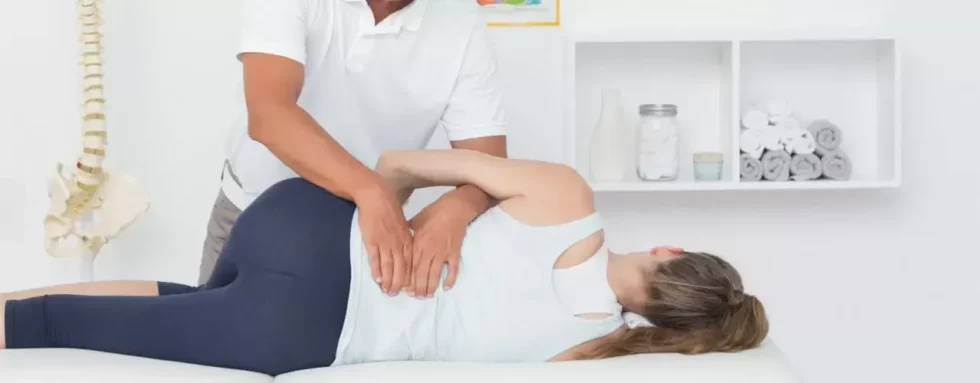
Reduce inflammation and pain through manual therapy techniques, including soft tissue mobilization and joint manipulation. These hands-on treatments help restore normal movement patterns while decreasing pain signals.
Strengthen supporting muscles that have become weak or imbalanced due to pain and inactivity. A strong core and properly functioning back muscles provide natural support for the spine, often eliminating the need for surgical intervention.
Improve flexibility and mobility through targeted stretching and movement exercises. Tight muscles and restricted joints contribute significantly to back pain, and physical therapy can address these issues without surgical risks.
Movement-Based Healing
The human body is designed to heal through movement, not immobilization. Physical therapy harnesses this natural healing capacity by gradually introducing controlled movements that promote tissue repair and adaptation.
Modern physical therapy approaches like dry needling, cupping, and specialized exercise programs target the specific tissues causing pain. These treatments work with your body’s natural healing mechanisms rather than bypassing them through surgical intervention.
Conditions That Respond Well to Conservative Care
Many back conditions that are commonly treated surgically actually respond excellently to physical therapy and other conservative approaches.
Herniated Discs
Despite their intimidating name, herniated discs often heal naturally with proper movement and therapy. The body’s natural healing processes can reabsorb disc material, and physical therapy can help manage symptoms during this healing period.
Specific exercises can help centralize disc material and reduce pressure on nerve roots. Manual therapy techniques can improve spinal mobility and reduce muscle guarding that often accompanies disc problems.
Spinal Stenosis
This condition, characterized by narrowing of the spinal canal, responds well to exercises that improve posture and strengthen the muscles that support proper spinal alignment. Physical therapy can teach patients how to modify their activities and use proper body mechanics to minimize symptoms.
Muscle Strains and Ligament Sprains
These soft tissue injuries, while painful, typically heal completely with appropriate movement and strengthening. Surgery cannot directly repair these tissues, making conservative care the logical first choice.
The Lima, Ohio Advantage: Expert Physical Therapy Care
Patients in Lima, Ohio have access to exceptional physical therapy services that can help them avoid unnecessary surgery while achieving lasting pain relief. Local physical therapy clinics offer comprehensive evaluation and treatment programs designed to address the root causes of back pain.
Personalized treatment plans ensure that each patient receives care tailored to their specific condition, lifestyle, and goals. This individualized approach is often more effective than the one-size-fits-all nature of many surgical procedures.
Advanced treatment techniques including dry needling, cupping, and specialized exercise programs provide multiple options for addressing different aspects of back pain. These evidence-based treatments offer alternatives to surgery while promoting natural healing.
When Surgery Might Be Necessary
While this article advocates for avoiding surgery when possible, certain conditions do require immediate surgical intervention. These “red flag” conditions include:
Progressive neurological symptoms such as weakness, numbness, or loss of bowel/bladder control require emergency evaluation. Cauda equina syndrome is a surgical emergency that can result in permanent disability if not treated immediately.
Severe trauma with fractures or dislocations may require surgical stabilization to prevent further injury. However, even in these cases, physical therapy plays a crucial role in post-surgical recovery and long-term outcomes.
Creating Your Non-Surgical Recovery Plan
Successful conservative treatment requires a comprehensive approach that addresses all contributing factors to your back pain.
Professional Evaluation
Start with a thorough evaluation by a licensed physical therapist who can identify the specific causes of your pain. This assessment should include movement analysis, strength testing, and evaluation of daily activities that may contribute to your symptoms.
Progressive Treatment Approach
Effective treatment typically follows a progressive model that begins with pain reduction and gradually advances through mobility restoration, strength building, and functional training. This approach ensures that each phase builds upon the previous one while avoiding setbacks.
Lifestyle Modifications
Long-term success requires addressing lifestyle factors that contribute to back pain. This includes workspace ergonomics, sleep positioning, exercise habits, and stress management techniques.
Take Control of Your Back Health
Back surgery should be viewed as a last resort rather than a first-line treatment for most conditions. The combination of significant surgical risks, lengthy recovery periods, and mixed long-term outcomes makes conservative care the wiser choice for most patients.
Physical therapy offers a safe, effective alternative that addresses the root causes of back pain while helping you develop the strength and movement skills needed to prevent future problems. With proper guidance from qualified professionals, most patients can achieve significant pain relief and functional improvement without surgical risks.
Don’t let back pain control your life, but don’t rush into surgery either. Explore conservative treatment options first—your back, your wallet, and your overall health will thank you for making this informed decision.
