
Weeks 1–2
Pain
Calm the pain down.
Hands-on techniques calm the irritated tissue and take the edge off inflammation, starting your very first visit.
What We Treat
The ankle you rolled at practice. The elbow that’s barked all season. It’s fixable, and it starts with a cause-first evaluation, not a guess.
Sound Familiar?
Two or more? Keep reading.
Why It Happens
You’re the athlete who doesn’t miss practice, the one teammates and coaches count on to show up, so playing through the ache felt like the only option, right up until it started slowing you down instead of just being annoying.
Sports injuries generally fall into three buckets. Repetitive-use injuries build up slowly: the same throw, swing, or stride repeated thousands of times until a tendon or joint finally protests. Soft-tissue injuries involve a strain, sprain, or tear to a muscle, ligament, or tendon, often from a sudden stretch or an awkward landing. Traumatic or acute injuries happen in a single moment, a collision, a fall, a bad cut, and the pain shows up right away.
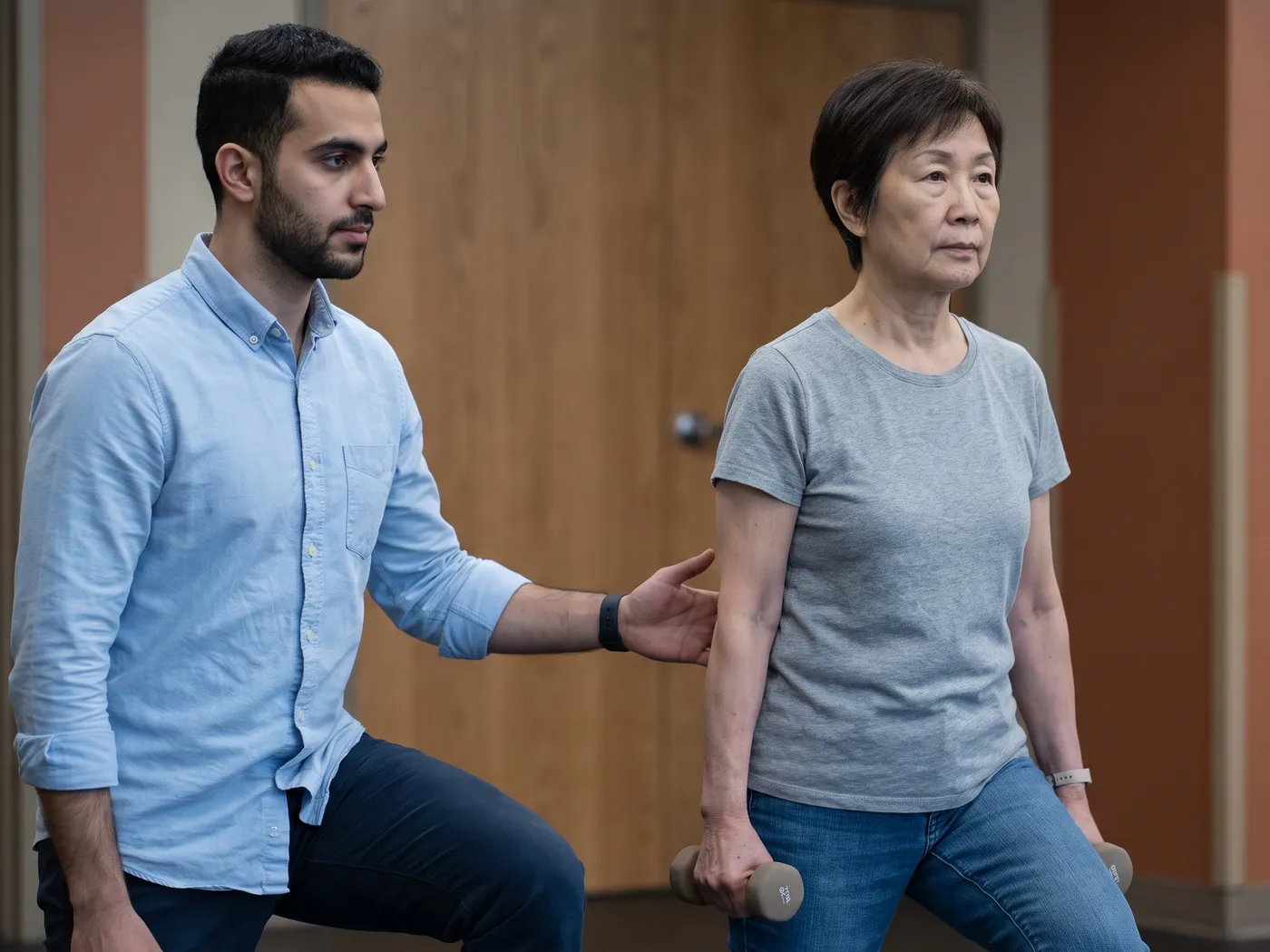
Which bucket you’re in changes the whole plan. A cause-first evaluation looks at your sport, your mechanics, and your training load to figure out what’s actually driving the injury, not just where it hurts. For athletes working toward getting back to full speed, our sports-performance programs and Alter-G anti-gravity treadmill let us load a healing leg gradually, so return to sport doesn’t mean starting over from zero.
The Honest Truth
Nobody regrets starting too early. Every week, someone in our clinic says they regret waiting.
How We Fix It
Every plan has an endpoint. Here’s what the four phases look like for a sports injury.
Weeks 1–2
Pain
Hands-on techniques calm the irritated tissue and take the edge off inflammation, starting your very first visit.
Weeks 2–6
Prime
Targeted mobility work restores full motion in the injured area and any joints guarding around it.
Weeks 6–10
Perform
Progressive strength and sport-specific loading, including Alter-G treadmill work when appropriate, rebuilds capacity for your sport’s actual demands.
Weeks 10+
Prevent
Cutting, sprinting, and sport-specific mechanics get tested under real load before you’re cleared to go all-in: that’s the endpoint, not just another appointment.
I’m a personal trainer with an overuse injury causing daily pain at my job. Cameron gave me the right exercises to build strength and get me back on track. I’m able to train my clients at full potential again.
Molly S. · Sports Injuries, Google review
Before: an overuse injury causing daily pain on the job
After: the right exercises to build strength and train clients at full potential again
Questions, Answered
Usually not as the first step. A hands-on evaluation, testing your strength, range of motion, and how the injury responds to specific movements, tells us most of what we need to know to get started. If imaging genuinely becomes necessary, we’ll help you get it, but you don’t have to wait on a scan to start treatment.
In most cases, yes, with the training modified around the injury rather than stopped altogether. Complete rest often costs an athlete conditioning they then have to rebuild on top of the injury itself. Your evaluation tells us exactly what load your body can handle right now, and we adjust your training as you progress.
It depends on the sport and the severity of the injury, but most patients notice meaningful change within 4–6 visits. A full plan runs through all four phases, Pain, Prime, Perform, and Prevent, and return to sport is based on real benchmarks, not a calendar guess, so you’ll always know exactly what’s left before you’re cleared to go all-in.
Book Your Visit
Request a time and a real person calls you back. No phone tree. No ‘someone will reach out.’ Just a plan.
Rated on Google
A real person calls you back
Step 1 of 5
That’s the hard part done. We’ll call you to lock in your time. Most people are on the schedule same week.
Visit Us
Located Inside 
Located Inside